Apple iPhone 18 and 18e: Battery Boost, Display Upgrade, and Pricing Outlook
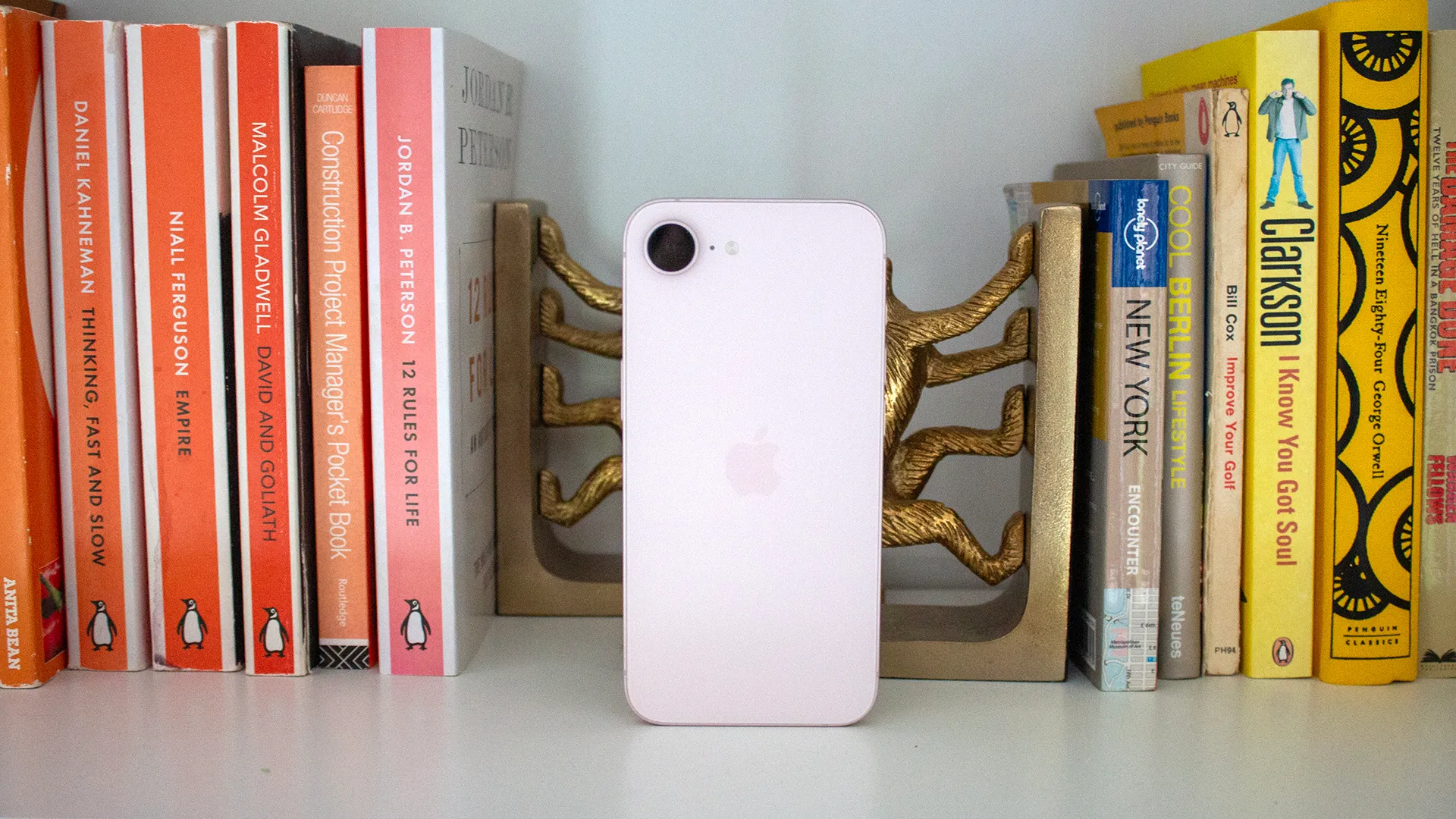
Overview of the upcoming Apple iPhone 18 lineup
Apple is gearing up to launch two new entry‑level smartphones that sit below the iPhone 18 Pro and iPhone Duo in the 2026 lineup. The models, known internally as Taycan for the iPhone 18 and Nevera for the iPhone 18e, are expected to hit production lines by late November and reach stores in the spring, likely around March.
Both devices will share a common design language with a 6.3‑inch OLED panel, but they diverge on key features such as refresh rate, camera configuration, and connectivity options. The iPhone 18 aims to bring a taste of the Pro experience to a more affordable price point, while the iPhone 18e offers a slightly trimmed‑down spec sheet for budget‑focused buyers.
Battery capacity and power management
One of the most notable upgrades is the jump in battery size. Leaked specifications suggest a 4,430 mAh cell for both the iPhone 18 and iPhone 18e. That represents roughly a 20 percent increase over the iPhone 17’s battery and an 11 percent rise compared with the iPhone 17e.
Apple’s reputation for software efficiency means the larger capacity should translate into noticeably longer screen‑on time, even though iPhone batteries have traditionally lagged behind Android rivals such as the Samsung Galaxy S25. The larger cell also supports the higher refresh‑rate display on the iPhone 18 without draining the battery too quickly.
Display size, technology, and refresh rate
Both models will feature a 6.3‑inch OLED screen, an upgrade for the iPhone 18e which previously sported a 6.1‑inch panel on the iPhone 17e. The iPhone 18 will run at Apple’s signature 120 Hz ProMotion refresh rate, delivering buttery‑smooth scrolling and gaming performance. In contrast, the iPhone 18e will be limited to a 60 Hz panel, which may feel dated for power users but keeps costs down.
The resolution and colour accuracy are expected to match those of the iPhone 18 Pro, making the display a strong selling point for the base model.
Camera system and processing power
Under the hood, both phones will be powered by the Apple A20 chipset, a slightly scaled‑down version of the A20 Pro that runs in the iPhone 18 Pro and iPhone Duo. This should provide comparable day‑to‑day performance across the two devices, with the main difference lying in the camera array.
The iPhone 18 will retain a dual‑camera setup, consisting of a wide‑angle lens and an ultra‑wide lens, mirroring the configuration found on the iPhone 17. The iPhone 18e, however, will be limited to a single wide‑angle sensor, a compromise that aligns with its lower price tier.
Connectivity, eSIM adoption, and market considerations
A significant change for the iPhone 18 is the removal of a physical SIM slot. The device will support only virtual eSIM profiles, a move that aligns with Apple’s strategy in the United States but may limit appeal in regions where physical SIM cards remain prevalent. The iPhone Air and iPhone Duo are the only other Apple models slated to launch in Europe without a physical slot.
Competitors such as Samsung Galaxy S25 already offer dual‑SIM flexibility, so Apple’s decision could influence buying decisions for travelers and users who prefer swapping SIM cards.
Pricing expectations and launch timeline
Analysts anticipate that Apple will price the iPhone 18 and iPhone 18e competitively to attract cost‑conscious consumers while still delivering a premium experience. The iPhone 18e is expected to be the more compelling bargain, provided Apple keeps the price gap reasonable relative to the iPhone 18 Pro.
Overall, the leaked specifications paint a picture of two solid, mainstream smartphones that blend larger batteries, modern OLED displays, and Apple’s efficient A20 processor. If Apple can balance pricing with these upgrades, the iPhone 18 and iPhone 18e could become strong contenders in the 2026 smartphone market.