Former Tekken Director Harada Criticizes Xbox Series S Development Burden
Harada Questions Dual Console Strategy
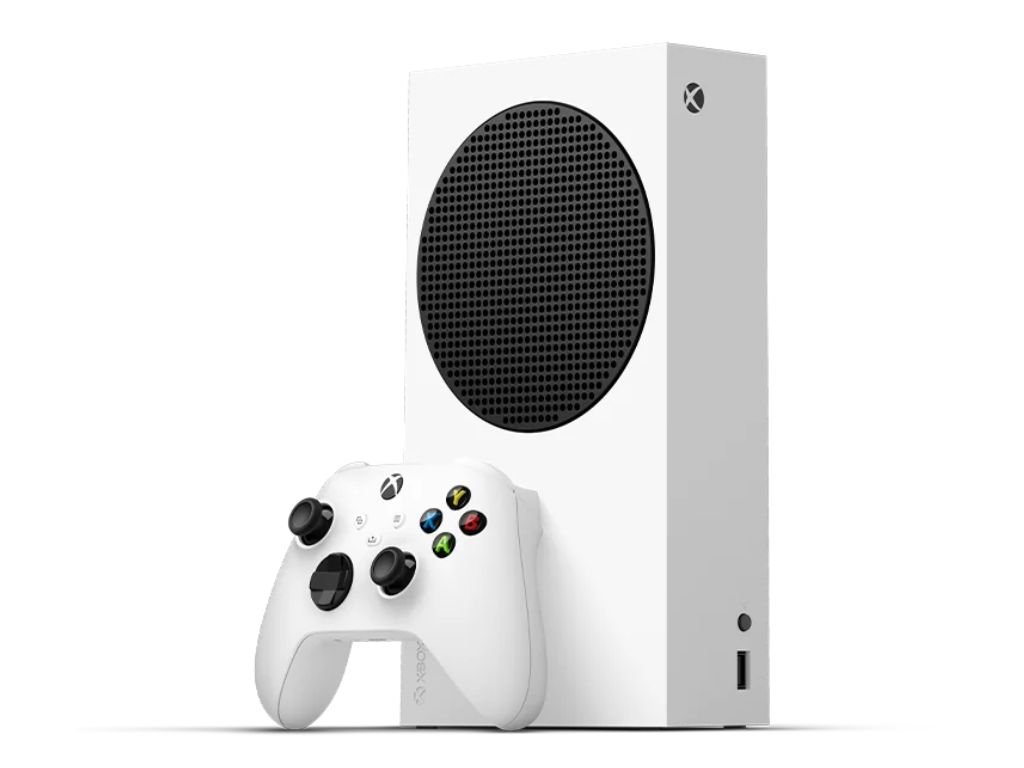
Former Tekken series director Katsuhiro Harada has publicly urged Microsoft to reconsider the dual console approach used with the Xbox Series X and Series S. Speaking about the lower specification Series S, Harada described it as creating extra work for developers who must optimize games for two distinct hardware targets simultaneously.
Harada’s comments highlight a recurring tension in modern console development. The Series S shares the same CPU architecture and feature set as the more powerful Series X but offers significantly reduced GPU performance and memory bandwidth. This disparity means developers cannot simply scale resolution and settings; they must often rework assets, rendering pipelines, and memory management to hit performance targets on the entry level console.
Optimization Challenges Acknowledged by Industry Peers
CD Projekt Red gameplay director Paweł Sasko acknowledged the optimization challenges Harada raised. Sasko confirmed that supporting two Xbox consoles with different performance profiles adds complexity to the development process. However, he also offered a counterpoint, noting that the Series S serves an important market segment through its lower price point.
Sasko argued that the discipline required to optimize for constrained hardware can produce benefits that carry over to other platforms. Techniques developed to run games smoothly on the Series S often translate to better performance on PC configurations with modest specifications, as well as on competing consoles when ports are developed. This perspective frames the extra work as an investment with broader returns.
Affordability Versus Development Friction
The debate touches on a fundamental question in platform strategy. Microsoft positioned the Series S as an accessible entry point to current generation gaming, priced substantially below the Series X and rival consoles. That affordability has expanded the Xbox install base, particularly in price sensitive markets and among casual players.
For publishers and developers, however, a larger install base split across two performance tiers means maintaining two optimization paths for the same platform. Some studios have chosen to limit features or reduce scope on Series S rather than invest in bespoke optimization, leading to a divergent experience for players on the lower end hardware.
Looking Ahead to Future Hardware
Harada’s appeal is directed at Microsoft‘s next generation planning. If the company pursues a similar split spec strategy, developers will again face the choice between investing in dual optimization or accepting compromises on the lower tier. The alternative, a single spec baseline, would simplify development but likely raise the entry price for consumers.
Neither approach is without trade offs. The current generation has demonstrated that a dual SKU strategy can grow the overall platform audience while imposing real costs on content creators. Microsoft’s decision for the next cycle will signal how it weighs developer friction against market reach.