Critical Chrome Vulnerability on Android: Update Now to Block Malware Attacks
What is happening with Chrome on Android?
Security researchers at Sekoia have identified a coordinated hacking campaign that targets Android phones through the default Google Chrome browser. The attackers exploit two separate flaws – one inside the Chrome app itself and another deep in the graphics driver used by devices with Qualcomm processors. While Google has already released patches, any user who has not updated Chrome or the underlying Android system remains exposed.
Two vulnerabilities at the core of the attack
The first flaw is a code execution bug that was fixed in Chrome version 145. Versions older than 145 – except for the short‑lived version 143 – can be tricked into running malicious code as soon as a victim visits a compromised web page. The second flaw resides in the Qualcomm Snapdragon graphics driver. Because Qualcomm supplies chips for the majority of Android smartphones, millions of devices could be affected.
How the malware works
When a user with an unpatched Chrome browser lands on a manipulated site, the malicious script is downloaded and executed automatically, without any click required. The payload, known as AndroSnitch, then copies passwords, cookies, contacts and other personal data and sends it to a command‑and‑control server. The stolen credentials can be used to hijack accounts or to launch targeted phishing campaigns.
Which devices are at risk?
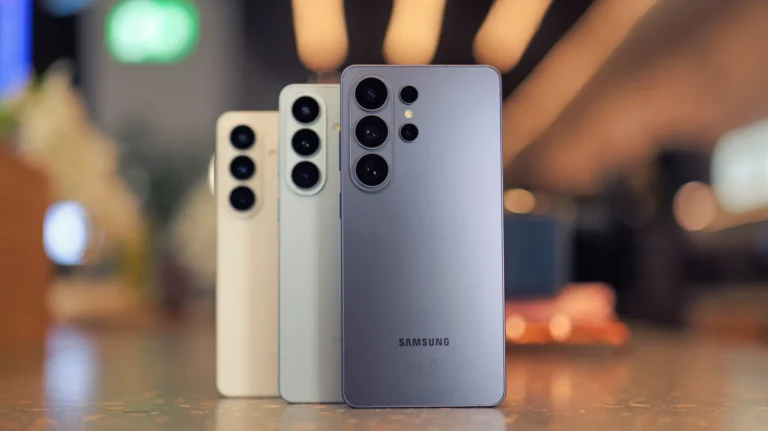
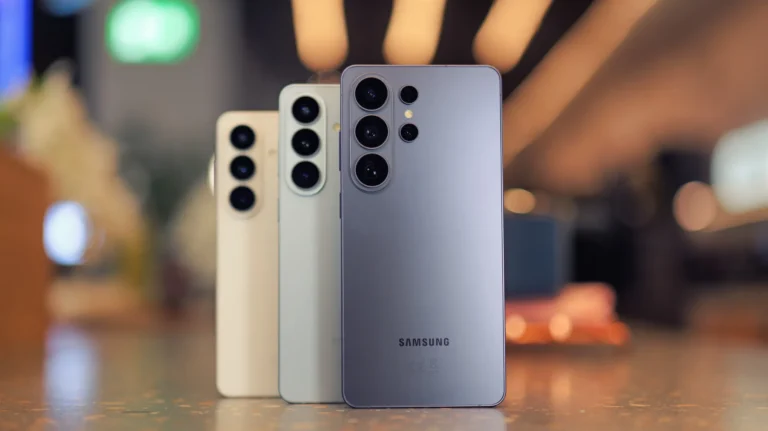
All Android phones running Chrome versions prior to 145 are potentially vulnerable. The researchers observed active attacks during August through October, with fake versions of corporate and government websites aimed mainly at users in the United States and Ukraine. One notable exception appears to be the Samsung Galaxy S25 Ultra, which the malware seems to recognise and skip.
What you can do right now
The most effective protection is to update Chrome through the Google Play Store. Open Play Store, search for Chrome and tap Update. After updating the browser, also check for a system update under Settings > About device > Android version. Even if the Qualcomm driver issue has not yet received a separate fix, keeping the operating system current reduces the attack surface.
Additional steps for extra safety
Avoid clicking unknown links in emails, messages or social media feeds. Use a reputable mobile security app that can scan for known malware. If you own a Google Pixel 8 or an Apple iPhone 15, remember that the issue is specific to Android and Chrome, but keeping all apps up to date remains best practice. Users of Apple Watch Series 10 or iPad Air M2 are not directly affected, yet they should also ensure their devices run the latest firmware.
Conclusion
The Chrome vulnerability highlights how quickly attackers can exploit unpatched software on a massive scale. By updating Chrome and the Android operating system, and by staying vigilant about suspicious links, Android users can protect themselves from the AndroSnitch campaign.
Looking ahead
Google has indicated that future Android releases will include stricter verification of driver code and additional sandboxing for web content. Security experts recommend enabling automatic updates for both apps and the operating system to minimise the window of exposure. As new vulnerabilities are discovered, staying informed through reputable tech news sources will help users react quickly.