Motorola Razr Flex could eclipse Samsung Galaxy Z Fold 8 and Apple iPhone Duo
Introduction
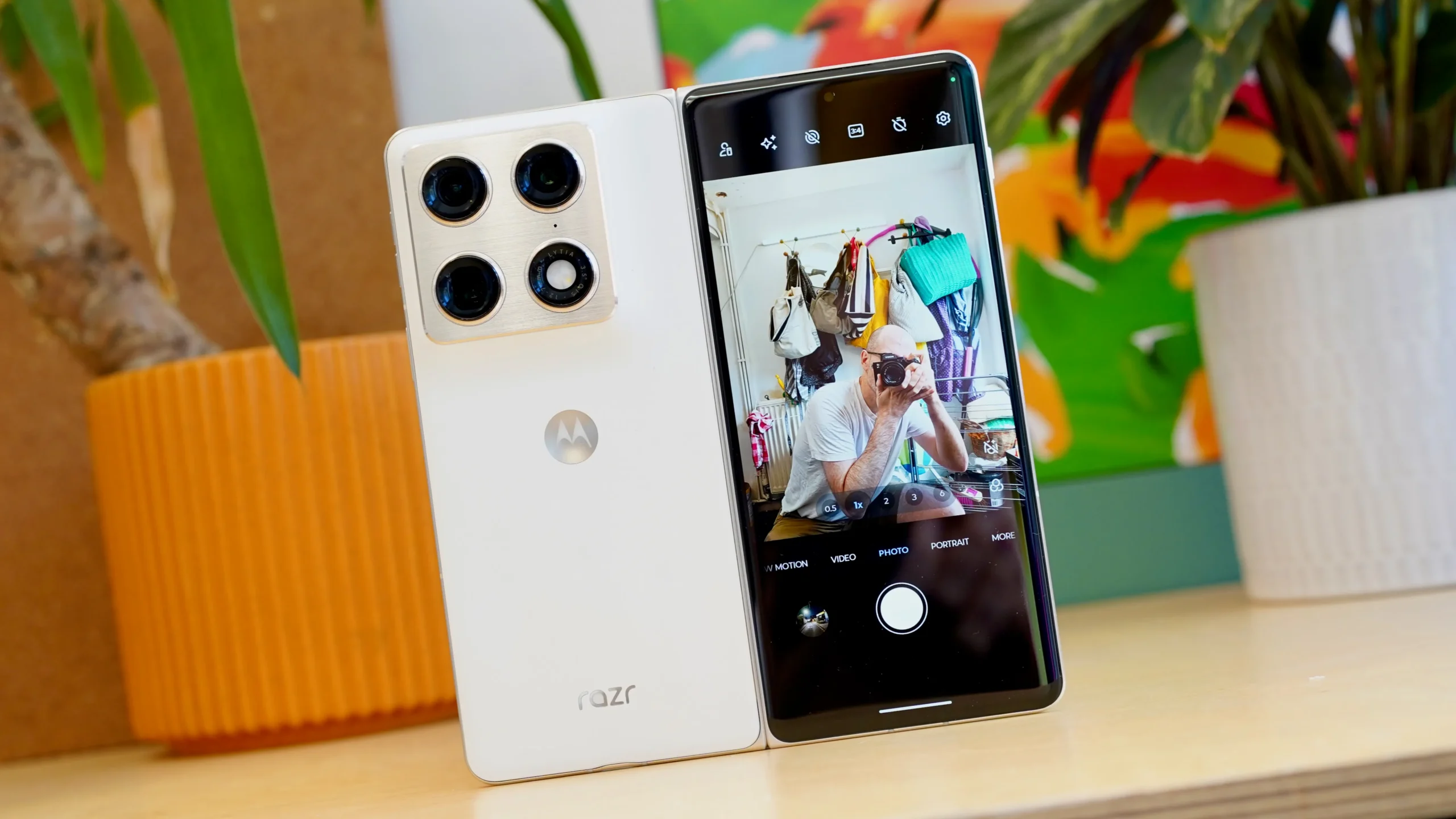
Motorola has teased the Razr Flex, a new wide foldable that could challenge the Samsung Galaxy Z Fold 8 and the Apple iPhone Duo in 2026. A brief support page on Motorola Australia and a media pre‑briefing hint at a launch before year end. If the Razr Flex can deliver on key areas such as durability, performance, camera quality, battery endurance and price, it may become the most compelling wide foldable on the market.
Water and dust resistance
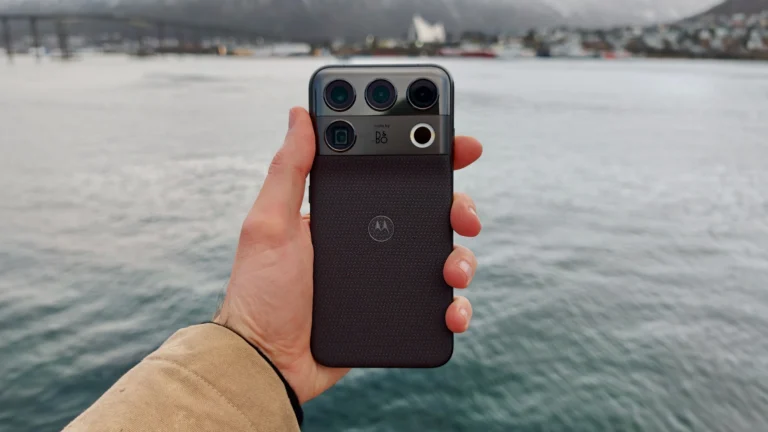
The iPhone Duo has already shown hinge problems and limited protection despite an advertised IP68 rating. Samsung Galaxy Z Fold 8 carries an IPX8 rating but still leaves room for improvement. Motorola can differentiate the Razr Flex by securing a genuine IP68 certification, or even an IP69 rating that resists high‑pressure water jets and dust ingress. The recently released Motorola Signature 27 demonstrated the brand’s expertise in sealing mechanisms, so applying similar engineering to the Razr Flex would give it a clear durability edge.
Performance and chipset
Both the Galaxy Z Fold 8 and iPhone Duo use flagship processors – the Snapdragon 8 Elite Gen 5 and Apple A20 Pro – delivering smooth multitasking and high‑end gaming. Leaks suggest the Razr Flex will ship with the standard Snapdragon 8 Gen 5, a powerful chip but a step below the elite variant. To stay competitive, Motorola will need aggressive software optimisation and at least 12GB of RAM, ensuring the device can handle tablet‑size workloads without throttling or overheating during long gaming sessions.
Camera capabilities
Current wide foldables sacrifice telephoto optics, leaving users without optical zoom or true portrait bokeh. The Galaxy Z Fold 8 and iPhone Duo rely on main sensors that fall short of the Samsung Galaxy S26 Ultra and Apple iPhone 18 Pro. If the Razr Flex adds a modest 3x optical telephoto lens alongside its 50MP main and ultrawide sensors, it would instantly outclass its rivals. Even using the DxOMark‑winning sensors from the Motorola Signature 27 would raise image quality and appeal to photography‑focused buyers.
Battery life and charging
A 5000mAh cell is modest for a regular smartphone but generous for a foldable. The Galaxy Z Fold 8 runs on a 4900mAh battery, while the iPhone Duo’s 4883mAh unit delivers solid endurance. Motorola must pair the Razr Flex’s battery with efficient power management to survive a full day of heavy use. Fast‑charging is another hurdle; the iPhone Duo supports 60W wired charging and the Z Fold 8 offers 45W. A 25W limit would feel restrictive, so a higher‑speed charger or larger capacity would be essential for market success.
Pricing strategy
Price will likely be the decisive factor in 2026. The Snapdragon downgrade hints at a lower launch price than the £1,699 Samsung Galaxy Z Fold 8 and the £1,999 Apple iPhone Duo. Positioning the Razr Flex around the £1,300 level of the Motorola Signature 27 – roughly €1,510 or $1,675 – would make it the most affordable wide foldable. Aggressive pricing could sacrifice short‑term margin but would build a reputation for high‑value foldables and attract users who want flagship features without a premium price tag.
Conclusion
If Motorola can combine genuine IP68/69 protection, optimise the Snapdragon 8 Gen 5 platform, include a useful telephoto lens, deliver reliable all‑day battery life and price the Razr Flex competitively, it will have a realistic chance of overtaking both Samsung Galaxy Z Fold 8 and Apple iPhone Duo in the wide foldable segment. The upcoming launch could become the defining moment for Motorola’s foldable ambitions.