
Nvidia Board Reportedly Weighs Jensen Huang Removal Amid Espionage Claims
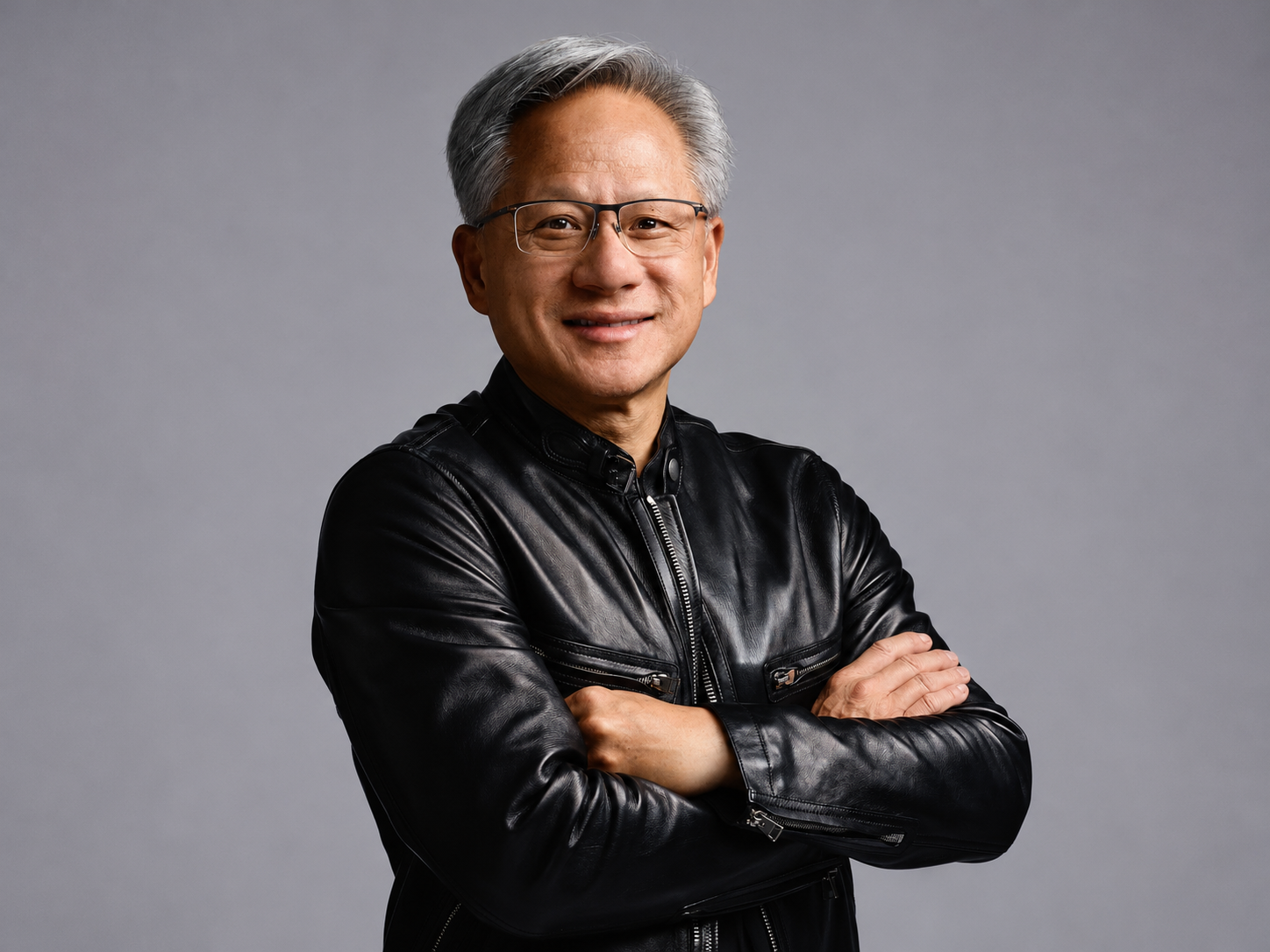
Nvidia Leadership Crisis Unfolds
Nvidia finds itself at the center of a leadership controversy as reports emerge that the company’s board of directors is evaluating the future of longtime chief executive Jensen Huang. The Wall Street Journal has published allegations regarding two extramarital relationships involving Huang, with one reportedly connected to an individual suspected of ties to Chinese intelligence services. These developments have triggered intense scrutiny from investors, employees, and industry analysts who have grown accustomed to Huang’s steady leadership since the company’s founding in 1993.
Details Behind The Board Review
According to sources familiar with the matter, the board initiated a formal review process following the emergence of these personal conduct allegations. The review focuses on whether Huang’s private relationships create potential security vulnerabilities for a company that sits at the heart of advanced semiconductor design and artificial intelligence infrastructure. Nvidia’s graphics processing units power critical systems across defense, research, and commercial sectors, making leadership integrity a paramount concern for stakeholders. No official timeline for a decision has been disclosed, and Huang remains in his position during the evaluation period.
Potential Successors And Governance Structure
Speculation about potential successors has centered on Nvidia’s existing executive leadership team. Colette Kress, the company’s chief financial officer since 2013, is frequently mentioned as a candidate given her deep operational knowledge and investor relations experience. Other internal candidates include Jay Puri, executive vice president of worldwide field operations, and Debora Shoquist, executive vice president of operations. The board’s governance committee would likely oversee any transition process, with input from major institutional shareholders who have benefited from Nvidia’s remarkable stock appreciation under Huang’s direction.
Market Reaction And Investor Sentiment
Financial markets have responded cautiously to the reports, with Nvidia shares experiencing heightened volatility in after-hours trading following the Journal’s publication. Analysts at major firms have issued notes emphasizing the company’s strong fundamental position in AI acceleration hardware, particularly its Hopper and Blackwell architecture products. The GeForce RTX 4090 continues to dominate the high-end consumer graphics segment, while data center demand for H100 and H200 tensor core GPUs remains robust. Several analysts have maintained buy ratings while acknowledging the governance uncertainty as a near-term risk factor.
Product Portfolio Context During Transition
Any leadership transition would occur at a critical juncture for Nvidia’s product roadmap. The company is currently ramping production of its Blackwell architecture GPUs, which promise significant performance gains for large language model training and inference workloads. The Grace Hopper Superchip platform, combining CPU and GPU capabilities, has gained traction among hyperscale cloud providers. Meanwhile, the RTX 40 series continues to drive gaming revenue, and the Omniverse platform expands into industrial digital twin applications. Product development cycles spanning multiple years provide some insulation from short-term management changes.
Historical Leadership Stability At Nvidia
Huang’s potential departure would mark the first CEO transition in Nvidia‘s three-decade history. The co-founder has been the public face of the company’s evolution from a graphics card manufacturer to an AI computing powerhouse. His leadership style, characterized by technical depth and long-term strategic vision, has earned him recognition as one of the technology sector’s most enduring executives. The board’s deliberations represent an unprecedented governance test for a company that has operated under founder-led stability since its inception.
Industry Implications And Forward Outlook
The semiconductor industry is watching closely, as Nvidia’s leadership stability affects the broader AI hardware ecosystem. Competitors including AMD with its Instinct MI300 series and Intel with Gaudi accelerators may seek to capitalize on any perceived uncertainty. Cloud service providers who have standardized on Nvidia infrastructure are likely assessing contingency plans. The board’s ultimate decision will balance personal conduct considerations against the immense shareholder value created under Huang’s tenure, with ramifications extending far beyond Nvidia’s Santa Clara headquarters.