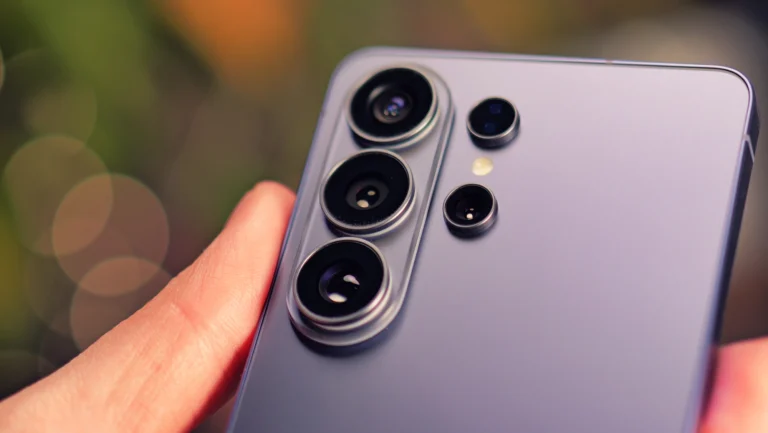
Samsung Galaxy Z Fold 9 Expected to Reintroduce Under‑Display Camera Against iPhone Duo
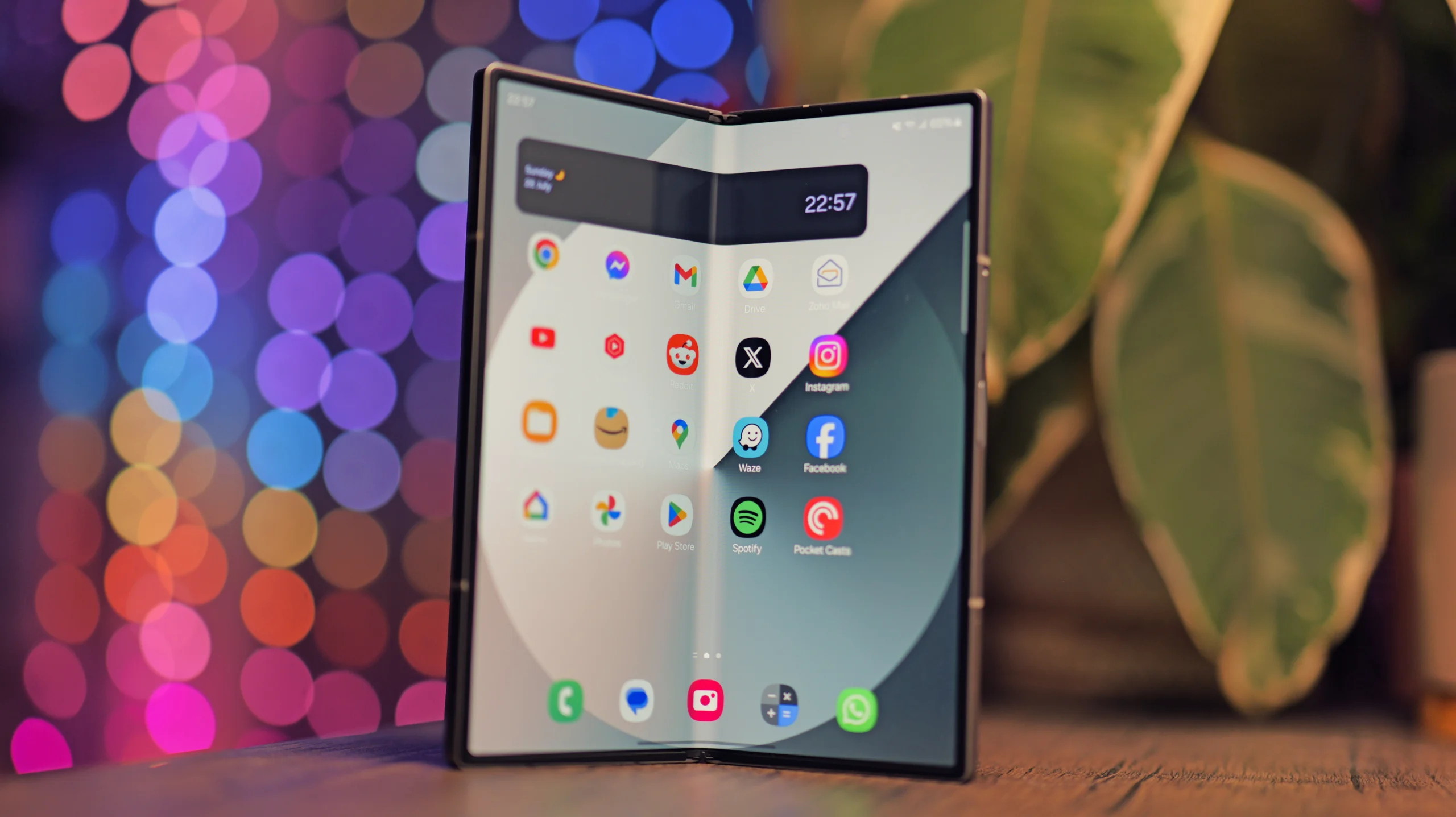
Background: Samsung’s Foldable Journey
Samsung has been a pioneer in the foldable smartphone market since the launch of the Samsung Galaxy Z Fold 3. The company experimented with under‑display camera (UDC) technology across several generations, from the Galaxy Z Fold 3 through to the Galaxy Z Fold 6. Those early UDC implementations demonstrated Samsung’s willingness to trade off selfie quality for a truly uninterrupted display experience.
When the Samsung Galaxy Z Fold 7 arrived, the manufacturer reverted to a traditional hole‑punch front camera, citing inconsistent selfie performance and video‑call clarity. The decision pleased many users who valued reliable front‑facing imaging, but it also left the door open for future revisions as the technology matures.
The Rise of Apple iPhone Duo
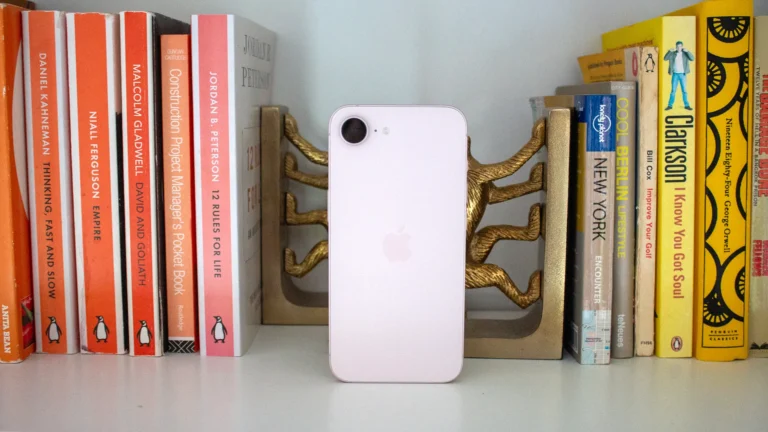
Apple entered the foldable arena with the iPhone Duo, a device that places its front camera entirely beneath the display. The iPhone Duo’s design eliminates any visible notch or punch, delivering a completely seamless viewing surface. Early sales reports suggest the iPhone Duo is performing well, despite criticism over its thickness and hinge durability.
Industry observers have noted that the iPhone Duo’s under‑display camera has set a new benchmark for visual aesthetics, prompting competitors to reconsider their own design roadmaps.
What Under‑Display Camera Means for Z Fold 9
According to tipster Kro, the upcoming Samsung Galaxy Z Fold 9 will reintroduce an under‑display camera while keeping the overall thickness and external dimensions largely unchanged. The claim is that Samsung will combine a refined UDC module with major internal upgrades, potentially delivering better low‑light performance than the earlier foldable attempts.
Re‑adding UDC could allow Samsung to directly challenge the iPhone Duo’s claim of a fully uninterrupted screen. If Samsung can improve sensor size or incorporate new light‑guiding layers, the Z Fold 9 might finally close the selfie‑quality gap that plagued the Galaxy Z Fold 3, 4, 5 and 6.
Potential Design Changes and Thickness Goals
Rumors also suggest Samsung is targeting an unfolded thickness of 3.9 mm and a folded thickness of 7.9 mm for the Z Fold 9. Those numbers would represent a significant reduction compared with the iPhone Duo, which many reviewers have described as bulky. Achieving such slim profiles would require advances in hinge engineering, battery packaging and display layering.
Maintaining a thin profile while integrating an under‑display camera presents engineering challenges. The camera module must sit beneath the display without compromising structural rigidity, and the display itself must remain bright enough to illuminate the sensor during selfies.
Challenges and Expectations
While the concept is exciting, Samsung must address the core issue that has limited UDC adoption: image quality. The earlier Galaxy Z Fold models with under‑display cameras suffered from muted colours and noisy low‑light shots. Apple’s iPhone Duo, despite its sleek look, also faces criticism for soft selfies, indicating that the technology is still evolving.
Industry analysts will be watching closely to see whether Samsung can leverage its longer experience with foldables to deliver a more usable front‑camera experience. If successful, the Samsung Galaxy Z Fold 9 could set a new standard for foldable design, forcing Apple to iterate on the iPhone Duo or explore alternative solutions.
In summary, the anticipated return of an under‑display camera on the Samsung Galaxy Z Fold 9 reflects a strategic move to match Apple’s iPhone Duo in visual design while potentially out‑engineering it in thickness and durability. The next few months should reveal whether Samsung’s refinements can finally make under‑display cameras a practical feature rather than a novelty.