Sonnounce App Brings Voice Announcements to Home Assistant Sonos Speakers
New Sonnounce Application Transforms Home Assistant Sonos Integration
Smart home enthusiasts using Home Assistant automation software can now leverage a powerful new tool called Sonnounce. This innovative application bridges the gap between Home Assistant and Sonos wireless speaker systems, enabling seamless voice announcements across multiple rooms. The Sonnounce app represents a significant advancement for users who want reliable, high-quality audio notifications without relying on cloud-dependent voice assistants like Amazon Alexa or Google Assistant.
How Sonnounce Works with Home Assistant Green and Yellow
The Sonnounce application integrates directly with Home Assistant Core installations running on dedicated hardware such as the Home Assistant Green appliance or Home Assistant Yellow board. Users running Home Assistant on Raspberry Pi 4 Model B units or Intel NUC mini PCs can also take full advantage of this new functionality. The app communicates through the local network using the Sonos UPnP protocol, ensuring announcements remain private and responsive even during internet outages. This local-first approach aligns perfectly with Home Assistant’s privacy-focused philosophy.
Compatible Sonos Speaker Models for Voice Announcements
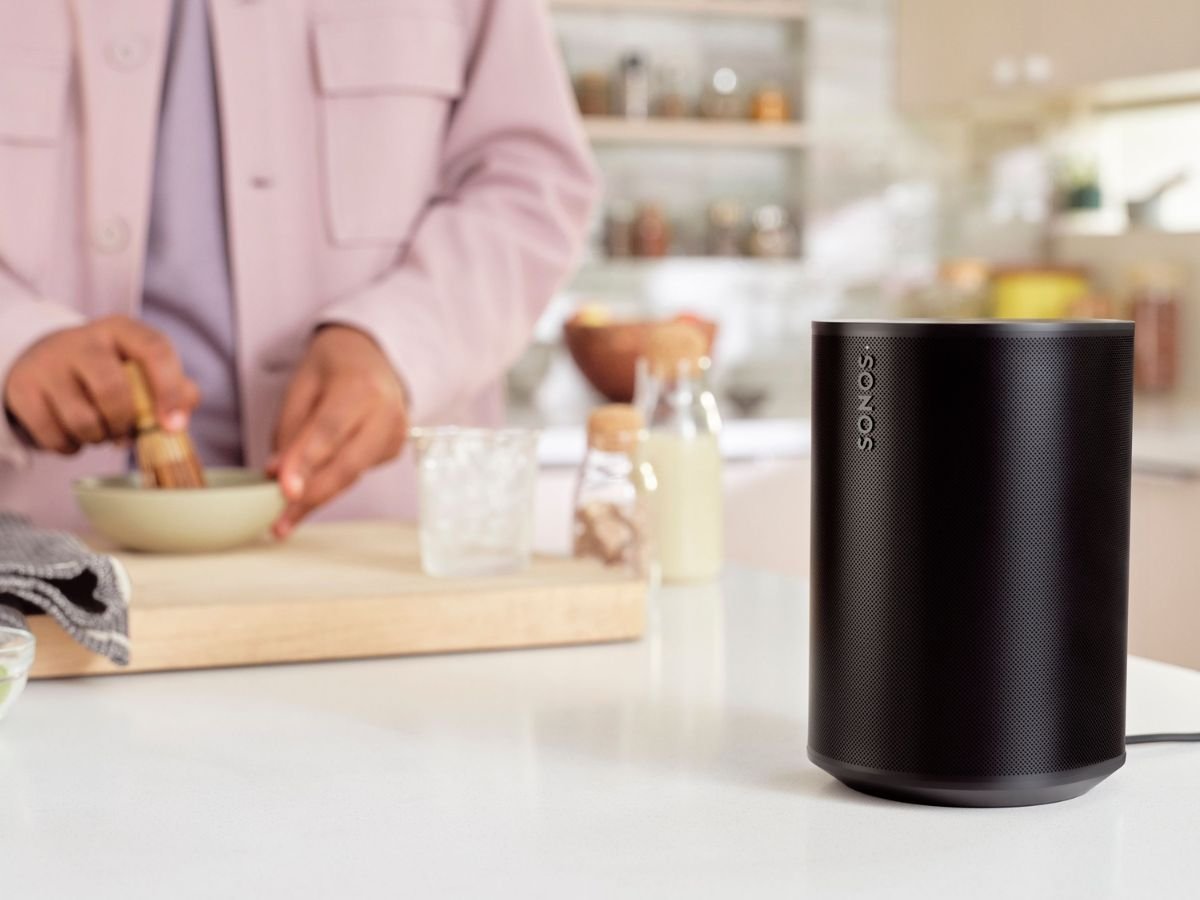
Sonnounce supports the entire current Sonos product lineup including the Sonos Era 100, Sonos Era 300, Sonos One Gen 2, Sonos One SL, Sonos Five, Sonos Move 2, Sonos Roam 2, and Sonos Roam SL portable speakers. Home theater enthusiasts can utilize Sonos Arc soundbars, Sonos Beam Gen 2, and Sonos Ray for announcement playback. The app also works with older generation devices like the Sonos Play:1, Sonos Play:3, Sonos Play:5 Gen 2, and Sonos Playbase. Each speaker can be addressed individually or grouped into zones for whole-home announcements.
Setting Up Sonnounce for Automated Notifications
Installation requires adding the Sonnounce integration through the Home Assistant Supervisor add-on store or via HACS (Home Assistant Community Store). Configuration involves entering Sonos device IP addresses or enabling automatic discovery. Once configured, users can create automations using Home Assistant’s visual automation editor or YAML configuration. Common triggers include motion detection from Aqara FP2 presence sensors, door contact sensors from Zigbee brands like Sonoff or Aqara, temperature thresholds from Ecowitt weather stations, and calendar events from Google Calendar or Microsoft Outlook integrations.
Practical Use Cases for Smart Home Announcements
Homeowners can configure announcements for practical scenarios such as laundry completion notifications when a Samsung SmartThings-compatible washer finishes its cycle, front door unlock alerts when a Yale Assure Lock 2 or August Wi-Fi Smart Lock detects entry, or water leak warnings from Govee WiFi water sensors placed near water heaters. Families with children appreciate bedtime reminders broadcast through Sonos One speakers in bedrooms. Package delivery notifications triggered by Ring Video Doorbell Pro 2 or Arlo Ultra 2 camera motion zones provide convenient awareness without checking phones.
Advantages Over Traditional Text-to-Speech Solutions
Unlike Home Assistant‘s built-in TTS (text-to-speech) engines that often require cloud processing through Google Cloud or Amazon Polly, Sonnounce leverages Sonos’ native announcement capabilities. This results in faster playback, consistent volume levels, and the ability to interrupt music playback gracefully before resuming. The app supports multiple languages and voices through Sonos’ built-in speech synthesis. Advanced users can customize announcement priority levels, ensuring critical alerts like smoke detector alarms from Nest Protect Gen 2 or First Alert Z-Wave sensors take precedence over routine notifications.
Future Development and Community Roadmap
The Sonnounce developer has announced plans for enhanced features including dynamic volume adjustment based on time of day, integration with Home Assistant’s new Assist voice control pipeline, and support for Sonos’ upcoming spatial audio capabilities on Era 300 speakers. Community contributions through GitHub are welcomed for additional language packs and custom sound effect libraries. As Home Assistant continues its monthly release cycle with versions like 2024.12 and beyond, Sonnounce compatibility updates will maintain seamless operation across evolving smart home ecosystems.