Two months later the Google Pixel 11 Pro proves its worth after early software woes

Introduction
When I first held the Google Pixel 11 Pro I was struck by its compact size and premium feel. The 6.3 inch OLED display, aluminium frame and 4850mAh battery promised a flagship experience in a pocketable form factor. My initial two‑week test, however, was marred by software glitches that made the phone feel unfinished.
Early software frustrations
During the first weeks I encountered app ghosting, random freezes and occasional reboots. Features such as NFC, 4K video audio and the AI‑driven Video Boost struggled to stay stable. Even basic scrolling felt jittery. At the time I compared the experience unfavourably to rivals like the Samsung Galaxy S25 and the Apple iPhone 16 Pro, both of which delivered smoother performance out of the box.
Google’s response and Android 17 updates
Google rolled out a series of updates culminating in Android 17. The majority of the reported bugs have disappeared. The recent apps screen no longer crashes, NFC works reliably and the Video Boost feature now runs without stutter. The software feels polished again, restoring one of the Pixel series’ traditional strengths.
Battery life turns around
Battery anxiety was another early pain point. In the first month the phone lost up to twenty‑five percent of charge while idle, making a full day of use feel risky. After the updates the standby drain dropped to a few percent overnight and I can comfortably stretch a charge to two days with moderate use. While the 4850mAh cell cannot compete with the massive batteries of the OnePlus 12 or the latest iPad Air M2, the improvement is enough to make the Pixel 11 Pro a viable daily driver.
The HiLight controversy
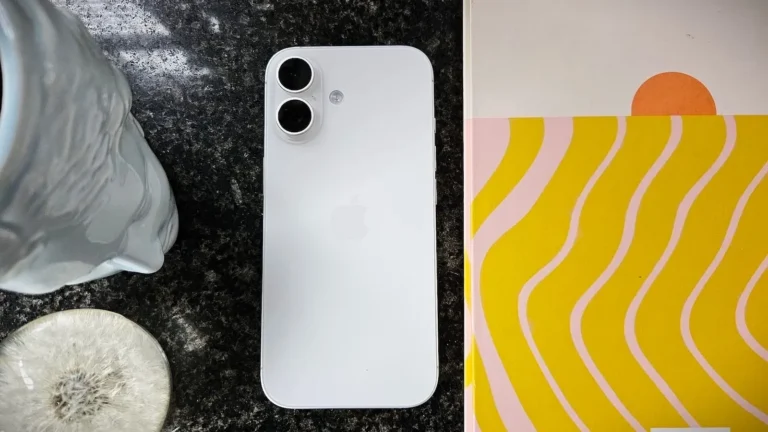
The Pixel 11 Pro introduced a small notification light called HiLight positioned next to the camera module. My first review called it a waste of space because the white blob was hard to ignore. Over time the light became less intrusive, and Google has promised a software upgrade that will allow users to dim or customise it before the year ends. It is no longer the glaring flaw I once described.
Camera performance remains stellar
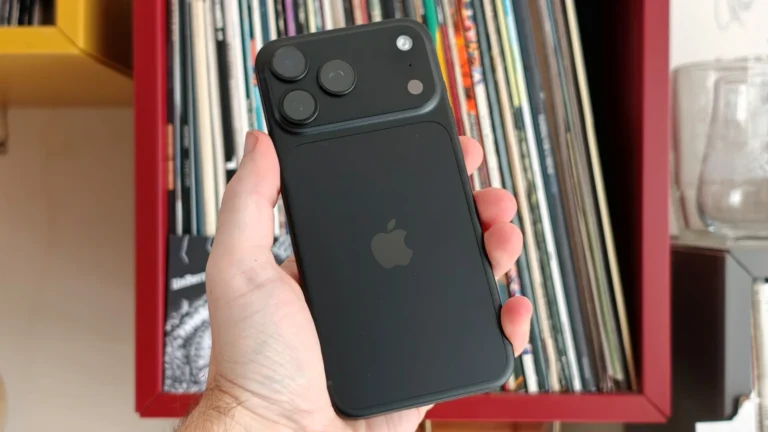
The camera system continues to be the Pixel 11 Pro’s crown jewel. The 50 MP main sensor, 12 MP ultra‑wide lens and 48 MP telephoto combo deliver sharp, colour‑accurate images in bright and low‑light conditions. Portrait mode produces a natural bokeh that makes subjects stand out, and the new Magic Capture AI adds subtle enhancements with a single tap. Selfies are especially impressive, rivaling the front‑camera output of the Samsung Galaxy S25 and Apple iPhone 16 Pro.
Overall performance and verdict
With the software issues largely resolved, everyday performance feels solid. Apps launch quickly, multitasking is fluid and the device handles most games at acceptable frame rates, though hardcore mobile gamers may still prefer a device with a higher refresh‑rate display. The build quality remains excellent, and the compact size continues to appeal to users who dislike oversized phones.
Price remains the biggest obstacle. Launch pricing of around $1099 places the Pixel 11 Pro above the more affordable Pixel 11 and many competing flagships. Potential discounts around Black Friday could make it a more attractive option, but until then the value proposition is limited.
Conclusion
Two months after its release the Google Pixel 11 Pro has shed its early software bugs, improved battery endurance and softened the impact of the HiLight notification light. The camera system still outperforms most rivals, and the overall user experience is now comparable to the Samsung Galaxy S25 and Apple iPhone 16 Pro. For buyers who can wait for a price drop, the Pixel 11 Pro finally lives up to its promise as a compact flagship with a best‑in‑class camera.