Why Travel eSIM Beats Traditional Roaming for Modern Travelers Everywhere

The Problem with Traditional Roaming
For years travelers have relied on their home mobile operator to stay connected abroad. The classic roaming model was designed for the era of voice calls and occasional texts. Today data is the lifeblood of travel, yet operators still charge daily bundles that ignore actual usage. A typical US carrier may charge twelve dollars per day for access in over two hundred countries, deducting the fee as soon as the device registers on a foreign network. This means a quiet flight day costs the same as a heavy streaming day, forcing users to limit essential services or risk unexpected bills.
How Travel eSIM Changes the Game
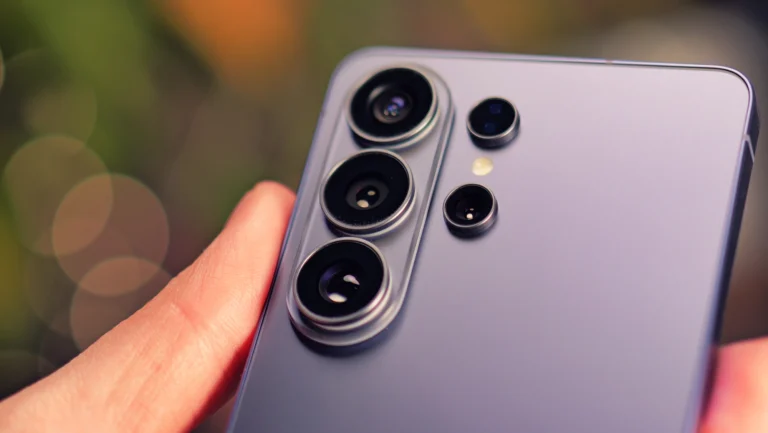
An eSIM is a programmable chip embedded in modern devices such as Samsung Galaxy S25, Apple Watch Series 10 or iPad Air M2. Instead of swapping physical SIM cards, users download a carrier profile through an app. Travel eSIM providers bundle data plans that match the length of a trip, allowing travelers to purchase a single package that covers the whole itinerary. The connection can be set up before departure, activated with a few taps on arrival, and the primary phone number remains active for banking alerts and important calls. The technology works on both iOS and Android platforms, allowing seamless integration with Apple Watch Series 10 for on‑the‑go notifications and with iPad Air M2 for streaming maps and videos without hunting for public Wi‑Fi.
Why Yesim Stands Out
Founded in 2019, the Swiss company Yesim has become a pioneer in the travel eSIM market. It serves more than four million users across two hundred destinations and partners with major sporting events such as the World Players Super League. Yesim offers flexible tariffs ranging from one gigabyte to unlimited data, with regional and global packages that cover eighty to one hundred forty countries. Prices are often a fraction of traditional roaming. For example a seven‑day unlimited plan for Japan costs twenty‑nine dollars, compared with eighty‑four dollars for a daily bundle from a major US carrier. Yesim’s network selection algorithm, called SwitchLess Networks, automatically connects to the strongest of over eight hundred partner operators, ensuring stable speeds even in crowded city centres.
Choosing the Right Plan for Your Trip
If the itinerary is known, a fixed‑volume package – for instance a thirty gigabyte plan for a two‑week European tour – provides certainty and eliminates daily fees. For uncertain usage, Yesim’s Pay & Fly model charges only the data consumed, starting at one point one zero dollars per gigabyte, with no expiry on the credit. Plans are organised as local (single country), regional (multiple neighbouring countries) and global (worldwide coverage). The Multiple eSIM feature lets families manage several profiles from one account, and hotspot support enables sharing the connection with laptops or tablets like the iPad Air M2.
Getting Started with Yesim
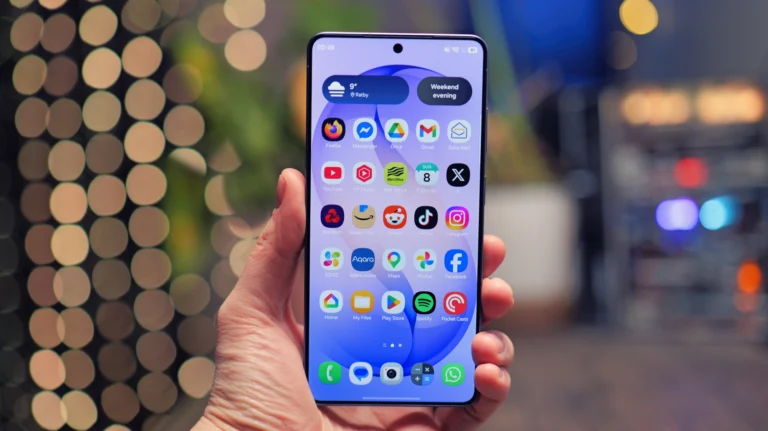
First, verify that your device supports eSIM – most flagship smartphones released after 2022 do. Download the Yesim app, select the appropriate plan, and install the eSIM profile. A trial option offers five hundred megabytes for sixty cents, allowing users to test signal quality before committing. New customers can apply the promo code GETYESIM15 for a fifteen percent discount on the first purchase.
Conclusion
Travel eSIMs give modern travelers control, transparency and cost savings that traditional operator‑first roaming cannot match. Yesim exemplifies how a dedicated digital platform can deliver flexible data, seamless activation and reliable coverage across the globe. By shifting the focus from home‑operator bundles to traveller‑centred plans, eSIM technology turns connectivity into a true travel companion.