Garmin Fenix 9 Pro Gains Waze Integration for Cyclist Safety
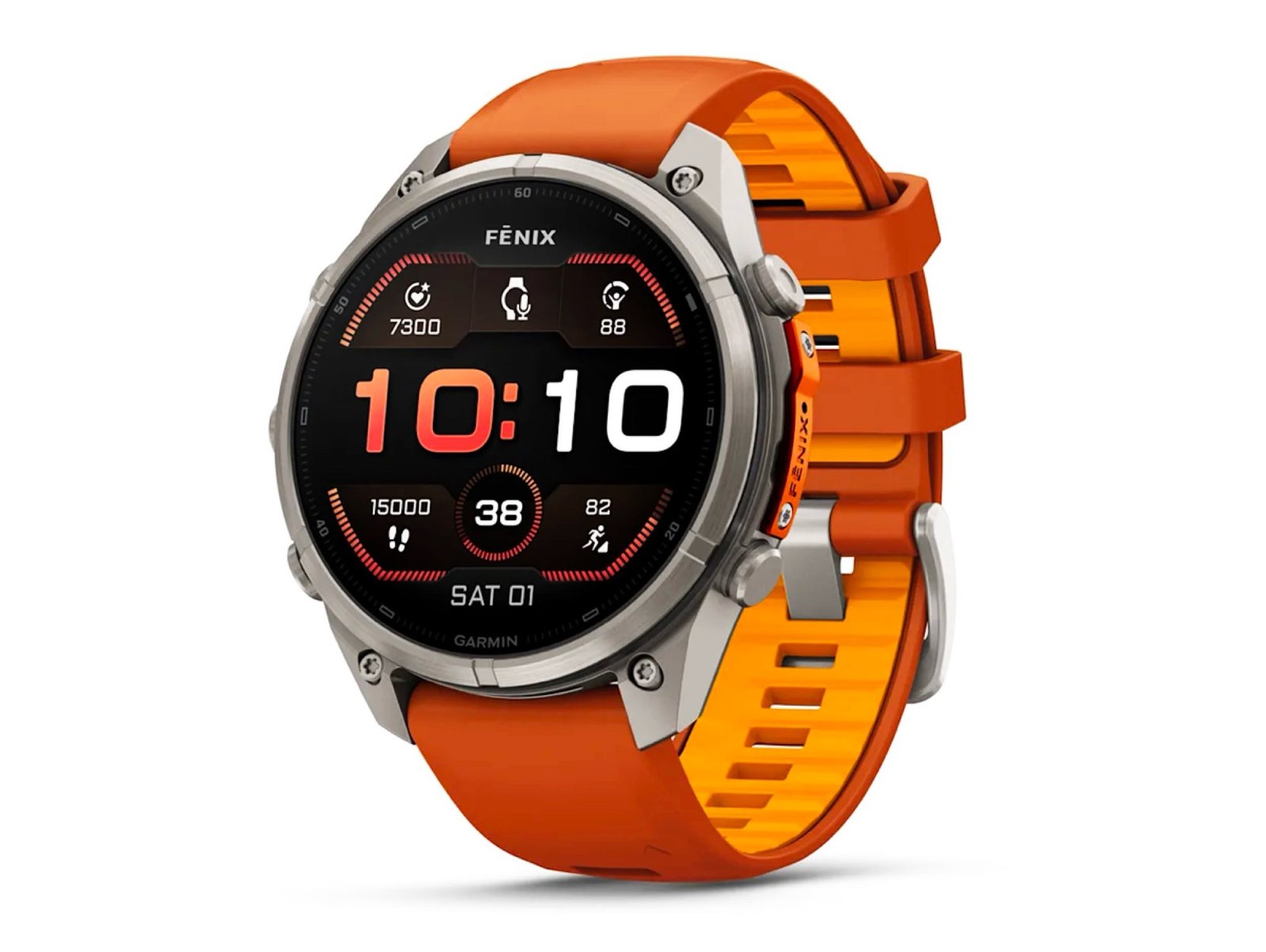
Garmin Introduces Waze Integration for Select Devices
Garmin has announced a new safety feature that allows several of its flagship devices to share real-time location data with the Waze navigation app. The Garmin Fenix 9 Pro, Garmin Forerunner 970, and Garmin Edge 1060 bike computer can now broadcast a cyclist’s position directly to Waze. This integration aims to make cyclists more visible to drivers who use Waze for navigation, displaying the bike not only on the road but also on the driver’s navigation screen.
How the Waze Integration Works
When a supported Garmin device is paired with a smartphone running the Garmin Connect app, the device can transmit its GPS coordinates to Waze via a secure connection. The cyclist’s location appears as a special icon on the Waze map for nearby drivers. This feature activates automatically during cycling activities and does not require the cyclist to have the Waze app open on their phone. The Garmin Fenix 9 Pro and Garmin Forerunner 970 use their built-in GPS and Bluetooth connectivity to maintain the link, while the Garmin Edge 1060 leverages its own cellular capability or phone tethering.
Supported Devices and Requirements
The initial rollout covers three premium devices: the Garmin Fenix 9 Pro multisport smartwatch, the Garmin Forerunner 970 triathlon watch, and the Garmin Edge 1060 cycling computer. All three must run the latest firmware version available through Garmin Express or the Garmin Connect app. A compatible smartphone with the Garmin Connect app installed is required for the Fenix 9 Pro and Forerunner 970, while the Edge 1060 can operate independently with its LTE module. Users must also have the Waze app installed on their phone and be logged into a Waze account.
Safety Benefits for Cyclists
Cycling safety advocates have long called for better visibility of vulnerable road users on navigation platforms. By integrating with Waze, Garmin addresses a critical gap: drivers often rely solely on navigation screens and may not notice cyclists until it is too late. The Waze integration ensures that a cyclist’s presence is communicated proactively, giving drivers advance warning. This is especially valuable on busy urban streets, rural roads with limited visibility, and during low-light conditions. The feature also works in group rides, where multiple Garmin devices can appear simultaneously on Waze, showing the size and spread of a peloton.
Privacy and Control Options
Garmin emphasizes that location sharing is entirely opt-in. Users can enable or disable the Waze integration from the safety settings menu on their device or within the Garmin Connect app. Location data is transmitted only during recorded cycling activities and is not stored on Waze servers beyond the active session. Cyclists can also choose to share their location with specific Waze groups or keep it visible to all nearby drivers. This granular control ensures that privacy preferences are respected while maximizing safety benefits.
Future Expansion and Industry Impact
Garmin has hinted that additional devices may receive Waze integration in future firmware updates. Candidates include the Garmin Epix Pro series, Garmin Venu 3, and older Edge models such as the Edge 1040. The move also puts pressure on competitors like Apple Watch Series 10, Samsung Galaxy Watch 7, and Wahoo Elemnt Roam to develop similar navigation-app partnerships. As more wearable and bike computer manufacturers adopt this approach, the ecosystem of connected road safety could expand significantly, potentially integrating with other platforms like Google Maps, Apple Maps, and local traffic management systems.
Conclusion
The addition of Waze integration to the Garmin Fenix 9 Pro, Garmin Forerunner 970, and Garmin Edge 1060 represents a meaningful step forward in cyclist safety. By leveraging the vast user base of Waze, Garmin turns its devices into active safety beacons that communicate directly with drivers. This feature requires no extra hardware, works automatically during rides, and respects user privacy. For cyclists who regularly share roads with motor vehicles, this update could be a lifesaver. As the feature rolls out globally, it will be interesting to see adoption rates and real-world accident reduction data. In the meantime, owners of supported Garmin devices should update their firmware and enable the feature to take advantage of this innovative safety layer.