Xiaomi 18T Leaks Reveal 200MP Leica Camera 185Hz OLED Display
Xiaomi 18T Emerges as Premium Mid-Range Contender
The Xiaomi 18T is shaping up to be one of the most compelling premium mid-range smartphones of the year according to the latest supply chain leaks. Industry insiders suggest this device will push boundaries in both photography and display technology, potentially challenging established players like the Samsung Galaxy S25 and iPhone 16 in key areas. The Chinese manufacturer appears determined to deliver flagship-grade features at a more accessible price point, continuing its tradition of aggressive value propositions.
Leica-Branded 200MP Camera System Takes Center Stage
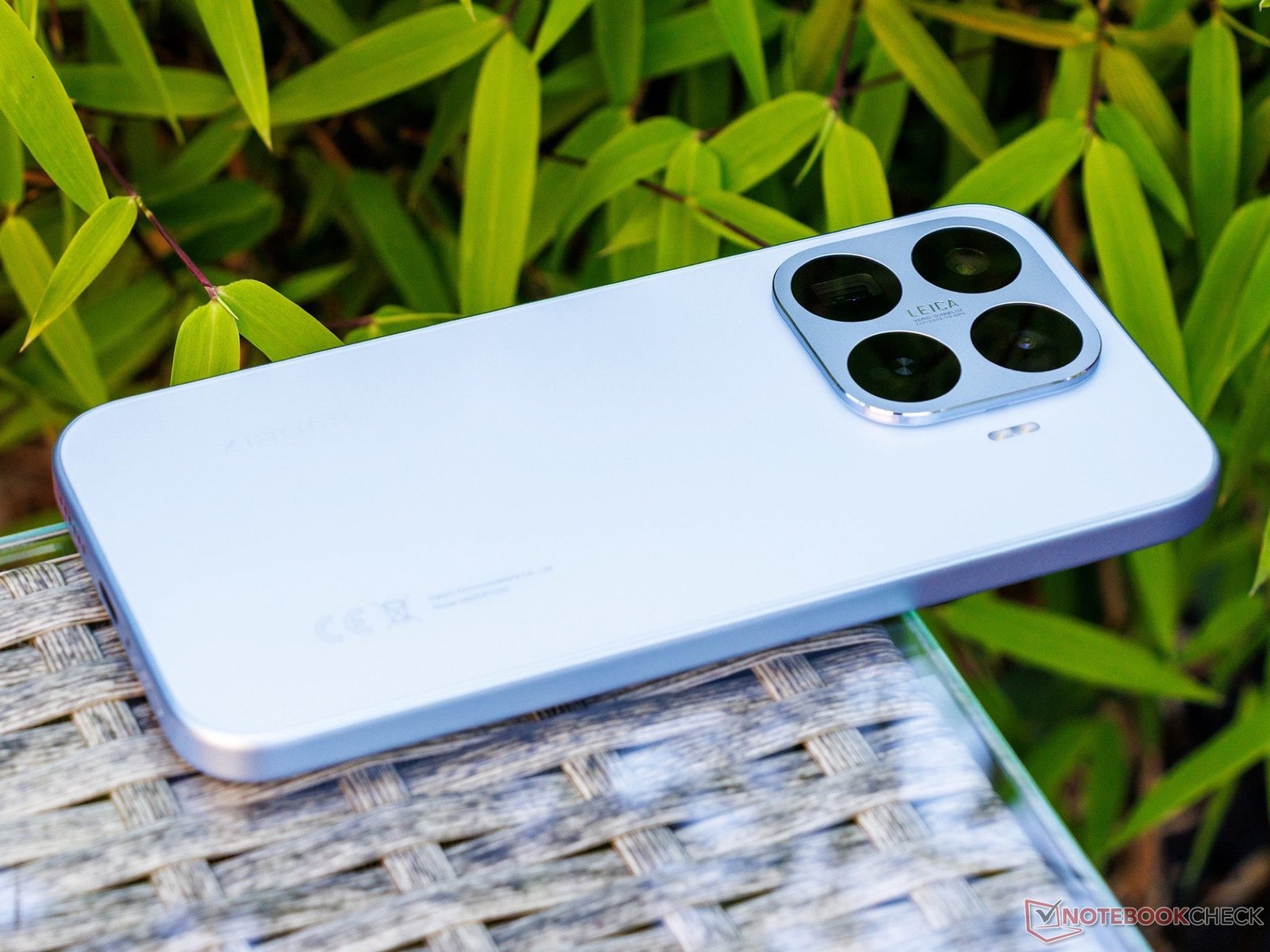
The headline feature is undoubtedly the rumored 200-megapixel main camera carrying Leica branding. This partnership builds on Xiaomi’s existing collaboration with the German optics legend, which debuted on the Xiaomi 13 Ultra and continued through the Xiaomi 14 Ultra. A 200MP sensor would represent a significant leap from the 50MP main cameras found on current premium mid-range devices like the Google Pixel 9 and OnePlus 13. Leica’s involvement suggests advanced color science, lens coatings, and computational photography algorithms that could elevate image quality well beyond raw megapixel counts.
Such a high-resolution sensor would enable extensive cropping flexibility and pixel-binning techniques for improved low-light performance. This positions the Xiaomi 18T as a serious contender for mobile photography enthusiasts who cannot justify the cost of ultra-premium flagships like the Samsung Galaxy S25 Ultra or Xiaomi’s own 14 Ultra. The Leica branding also implies professional-grade color profiles and black-and-white modes that have become hallmarks of the partnership.
185Hz OLED Display Sets New Smoothness Standard
Equally impressive is the rumored 185Hz OLED panel, which would surpass the 120Hz refresh rates found on most competitors including the iPhone 16 Pro and Samsung Galaxy S25. Only a handful of gaming-focused devices like the ROG Phone 8 and Red Magic 9 Pro currently exceed 144Hz, making this a rare feature in a mainstream-oriented device. The higher refresh rate promises buttery-smooth scrolling, reduced motion blur, and improved responsiveness for gaming and general navigation.
An OLED panel at this refresh rate would likely support 1.5K or 2K resolution with HDR10+ certification, delivering deep blacks and vibrant colors. This display specification suggests Xiaomi is targeting mobile gamers and media consumers who prioritize visual fluidity. The combination of a 200MP camera and 185Hz display creates a unique dual-pillar appeal that few devices in this price segment can match.
Performance Expectations and Market Positioning
While camera and display details dominate the leaks, the Xiaomi 18T will likely be powered by a Snapdragon 8 Gen 3 or MediaTek Dimensity 9300-class processor, placing it squarely in premium mid-range territory. This chipset tier offers flagship-level performance for demanding applications and games while maintaining better thermal efficiency than the absolute top-tier chips. Coupled with expected 12GB or 16GB RAM configurations and UFS 4.0 storage, the device should handle multitasking and heavy workloads with ease.
Battery capacity rumors point to a 5,500mAh cell with 120W wired charging and 50W wireless charging, following Xiaomi’s tradition of class-leading charging speeds. This would outpace the 45W wired charging on the Samsung Galaxy S25 and 25W on the iPhone 16, offering a tangible daily-use advantage. The device is also expected to ship with HyperOS based on Android 15, featuring enhanced AI integration and ecosystem connectivity with other Xiaomi products.
Release Timeline and Competitive Landscape
Industry analysts anticipate a late 2025 or early 2026 launch, likely debuting in China before expanding globally. The Xiaomi 18T will enter a fiercely competitive segment populated by the Nothing Phone 3, Motorola Edge 50 Pro, and potential Google Pixel 9a. Its success will depend heavily on pricing strategy. If Xiaomi can keep the price under $600 USD while delivering these specifications, it could disrupt the premium mid-range category much like the original Poco F1 did years ago.
The inclusion of Leica optics and an ultra-high refresh rate display suggests Xiaomi is less interested in incremental updates and more focused on creating a statement device. For consumers, this means access to technologies previously reserved for $1,000+ flagships at a fraction of the cost. As the smartphone market matures, devices like the Xiaomi 18T demonstrate that innovation continues to trickle down, benefiting buyers who demand premium experiences without premium price tags.