Google Pixel Tag Review: UWB Advantage, Bluetooth Limits, and the Benefit of a Replaceable Battery
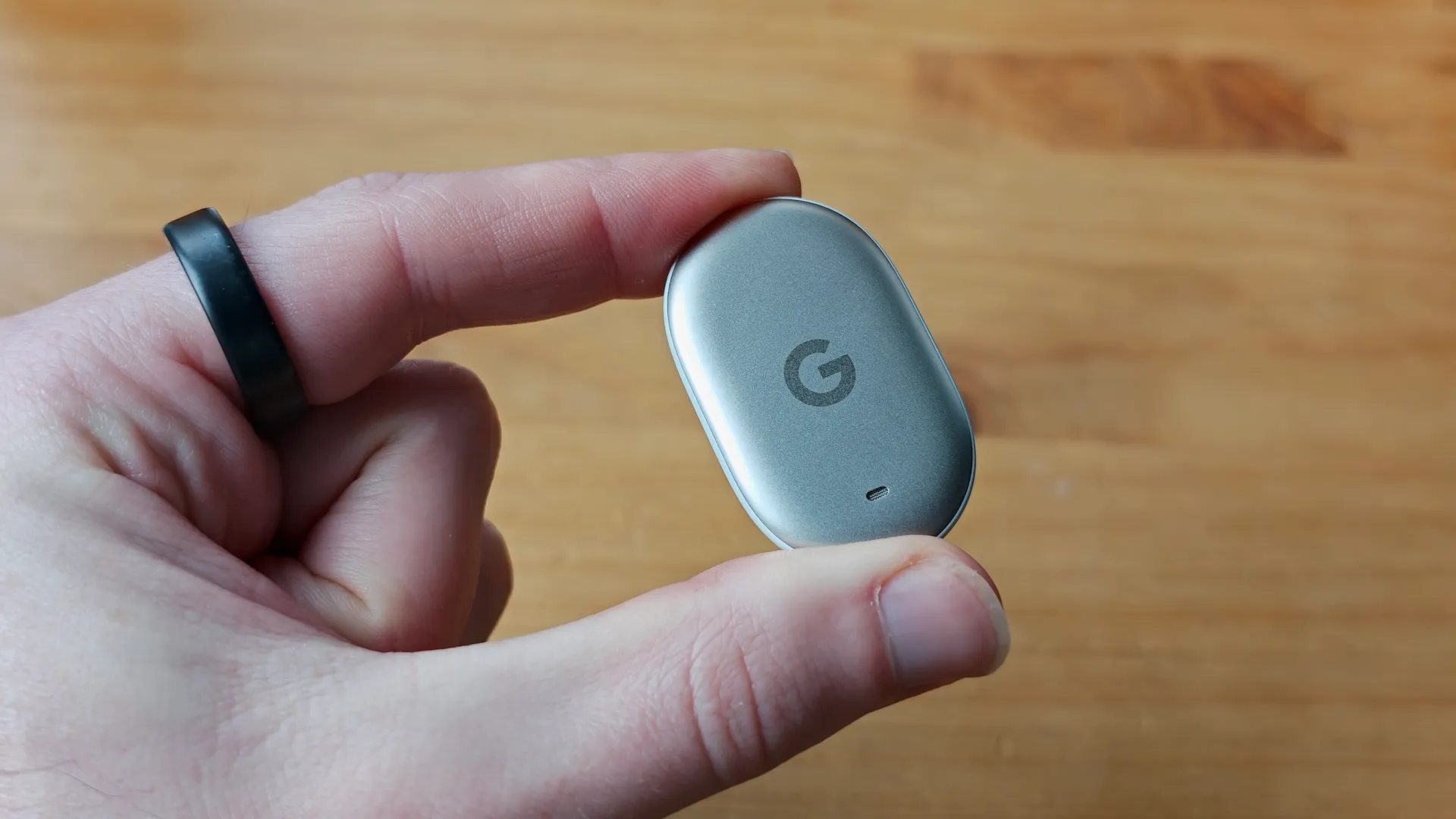
What is the Google Pixel Tag?
The Google Pixel Tag is the companys first dedicated Bluetooth tracker, arriving after a long teaser period that began in August. It is designed to attach to keys, bags or any item you frequently misplace, and it works with the Find My Device app on Android phones. While the concept mirrors Apple AirTag and Samsung Galaxy SmartTag+, the Pixel Tag brings a few unique hardware choices.
UWB Precision – A Real Advantage
One of the headline features is Ultra Wideband (UWB) support. UWB enables precise, centimetre‑level location when you are in close proximity, similar to the experience offered by Apple AirTag when paired with an iPhone 14 Pro or newer. However, the Pixel Tag only activates UWB if your phone also has the technology. This means devices such as the Google Pixel 8 Pro, Pixel 7 and Pixel 6a can take full advantage, while older models like the Pixel 9 or the non‑Pro Pixel 9a cannot. If you own a Samsung Galaxy S23 or a newer Samsung Galaxy Z Fold4, you will not get UWB because those phones lack Google‑specific UWB support.
Bluetooth 6.0 and Compatibility Limits
The tracker uses Bluetooth 6.0, which promises better range and lower power consumption. To unlock the newest Channel Sounding performance boost, your phone must run Android 16 or later and support Bluetooth 6.0. In practice, this excludes many popular devices, including the Motorola Moto G Power (2023) and the older Pixel 10a. Even though the tracker will still pair with phones that have Bluetooth 5.x, you will miss out on the enhanced accuracy and faster response times. Users of Apple devices, such as the Apple Watch Series 10 or iPad Air M2, cannot use the Pixel Tag at all because it is an Android‑only ecosystem.
Replaceable Battery – The Saving Grace
Where the Pixel Tag shines is its replaceable CR2032 battery. Most competing trackers, including the Apple AirTag and Samsung Galaxy SmartTag+, have sealed batteries that last about a year before the whole unit must be discarded. With the Pixel Tag you can simply pop open the back, swap in a fresh coin cell, and keep the device running for another year. This design reduces e‑waste and saves money over time, especially for users who need multiple tags for a family.
Additional Features Worth Noting
The tracker includes a physical button that can be pressed to make your phone emit a sound, useful when the phone is misplaced in a couch cushion. You can also share a tag with a family member or friend, allowing both parties to see its location in real time. The Pixel Tag currently ships only in a fog‑coloured finish and does not have an official case, so many owners attach it to a keyring or buy a third‑party silicone holder.
Pricing, Availability and Verdict
As of 11 November, the Pixel Tag is priced at £29 or $29 for a single unit, with a four‑pack available for £99 or $99. The price is competitive with the Apple AirTag (which sells for $29 per unit) and the Samsung Galaxy SmartTag+ (around $30). If you already own a UWB‑compatible Pixel phone, the tracker offers a clear advantage in precision. However, if you rely on older Android phones or non‑Pixel devices, the Bluetooth 6.0 requirement may limit its usefulness. Overall, the replaceable battery and Google integration make the Pixel Tag a compelling option for Android power users, while the hardware constraints keep it from being a universal solution.