Google limits third party apps on Fitbit Sense and Versa, sparking user backlash
What Google announced
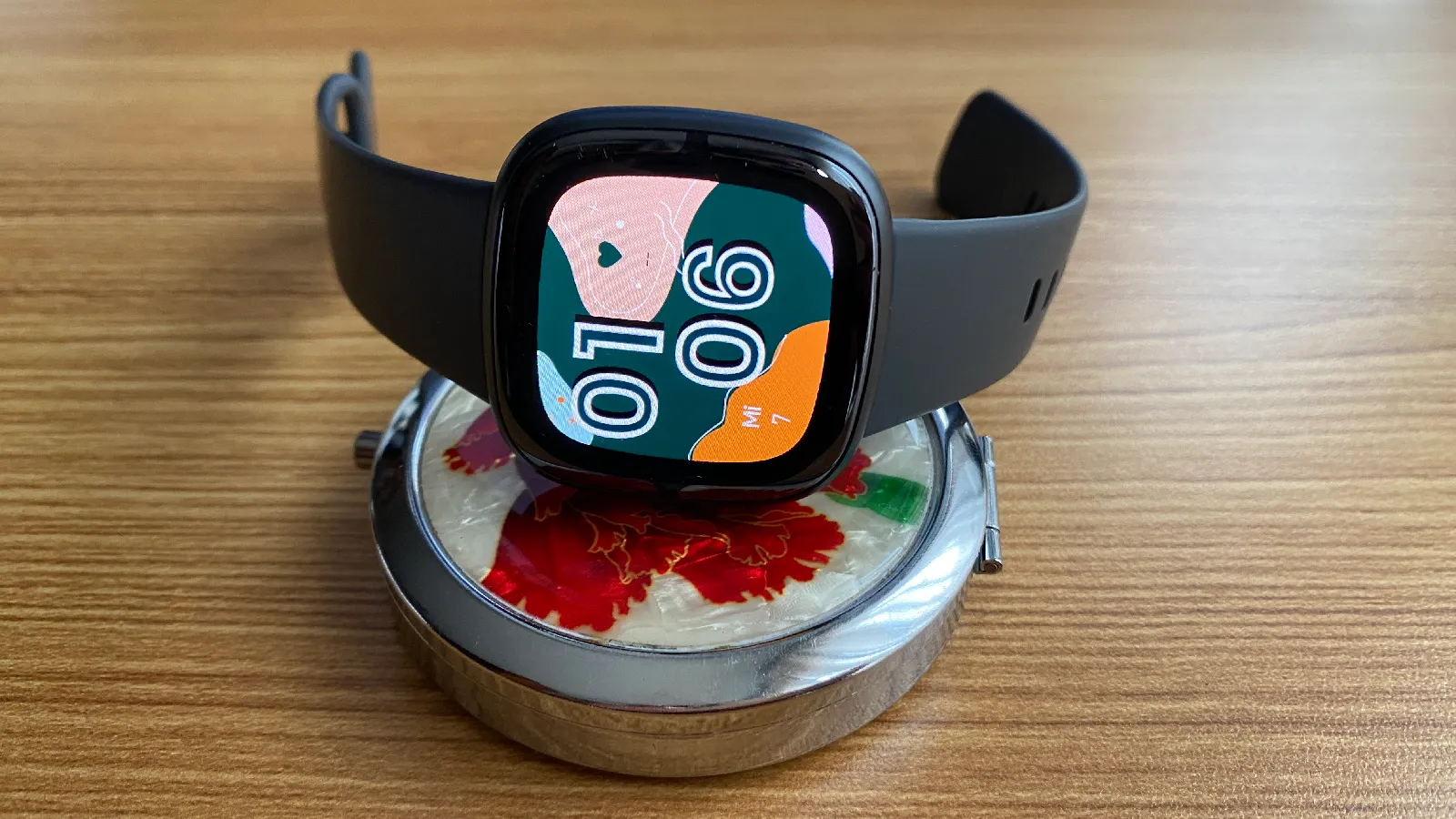
On 28 November 2026 Google confirmed that all Fitbit Sense and Fitbit Versa devices will no longer accept new third‑party applications or watch faces. Existing installations can stay, but any future download must come directly from Google or Fitbit. The decision also blocks developers from pushing updates after the deadline, meaning bug fixes and feature enhancements are effectively frozen.
Impact on current owners
Owners of the Fitbit Sense, Fitbit Versa, and even the newer Fitbit Edge will notice a shrinking ecosystem. Features that relied on community‑built apps, such as custom fitness dashboards or niche music players, will disappear for new users. Those who already have apps installed can keep them, but they will not receive any further improvements.
How this fits into a broader trend
The restriction follows earlier moves that stripped away offline music playback via Deezer and Pandora in 2023, and the removal of community Challenges and Adventures from the Fitbit app the same year. Earlier this year the Fitbit app was replaced by the Google Health app, further consolidating control under Google’s umbrella.
Comparison with competing wearables
While Google tightens its grip on Fitbit, competitors such as Apple Watch Series 10 and Samsung Galaxy Watch 6 continue to support vibrant third‑party ecosystems. Users of those devices can still download custom watch faces, health plugins, and niche utilities from their respective app stores. The contrast highlights how Fitbit’s once‑open platform is becoming more closed.
What remains available
Google states that the Fitbit App Gallery will now “exclusively feature apps and clock faces created by Fitbit and Google.” In practice this means only officially sanctioned software will appear, similar to the curated approach seen on the iPad Air M2 App Store. Users can still access core Fitbit functions, Google Health integration, and basic watch faces designed by the company.
Emerging accessories and community response
Despite the software clampdown, hardware accessories are thriving. After Google released the design files for the Fitbit Air, third‑party makers like Dbrand introduced the Pulse Band, an industrial‑style strap that adds a bold look to the affordable Fitbit Air. The community is also exploring custom cases and skins, suggesting that while software freedom is limited, hardware creativity remains alive.
Future outlook
Analysts predict that Google may continue to streamline the Fitbit lineup, focusing on devices that integrate tightly with Google Health and the broader Android ecosystem. The lack of NFC payments on the Fitbit Edge, a feature present on the older Fitbit Charge 6, hints at a possible shift away from premium features in favor of cost‑effective models.
What users can do now
If you rely on third‑party apps for specific functions, consider switching to a platform that still supports open development, such as the Apple Watch Series 10 or Samsung Galaxy Watch 6. Alternatively, explore the growing market of third‑party accessories for the Fitbit Air, which offers a balance of affordability and style while still receiving official software updates.