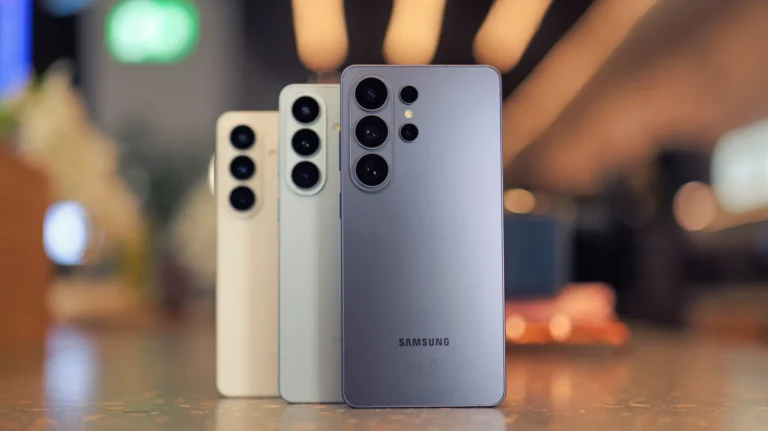
iPhone Duo 2 Plus and Galaxy Z Fold 9 Plus Aim to Redefine Foldables
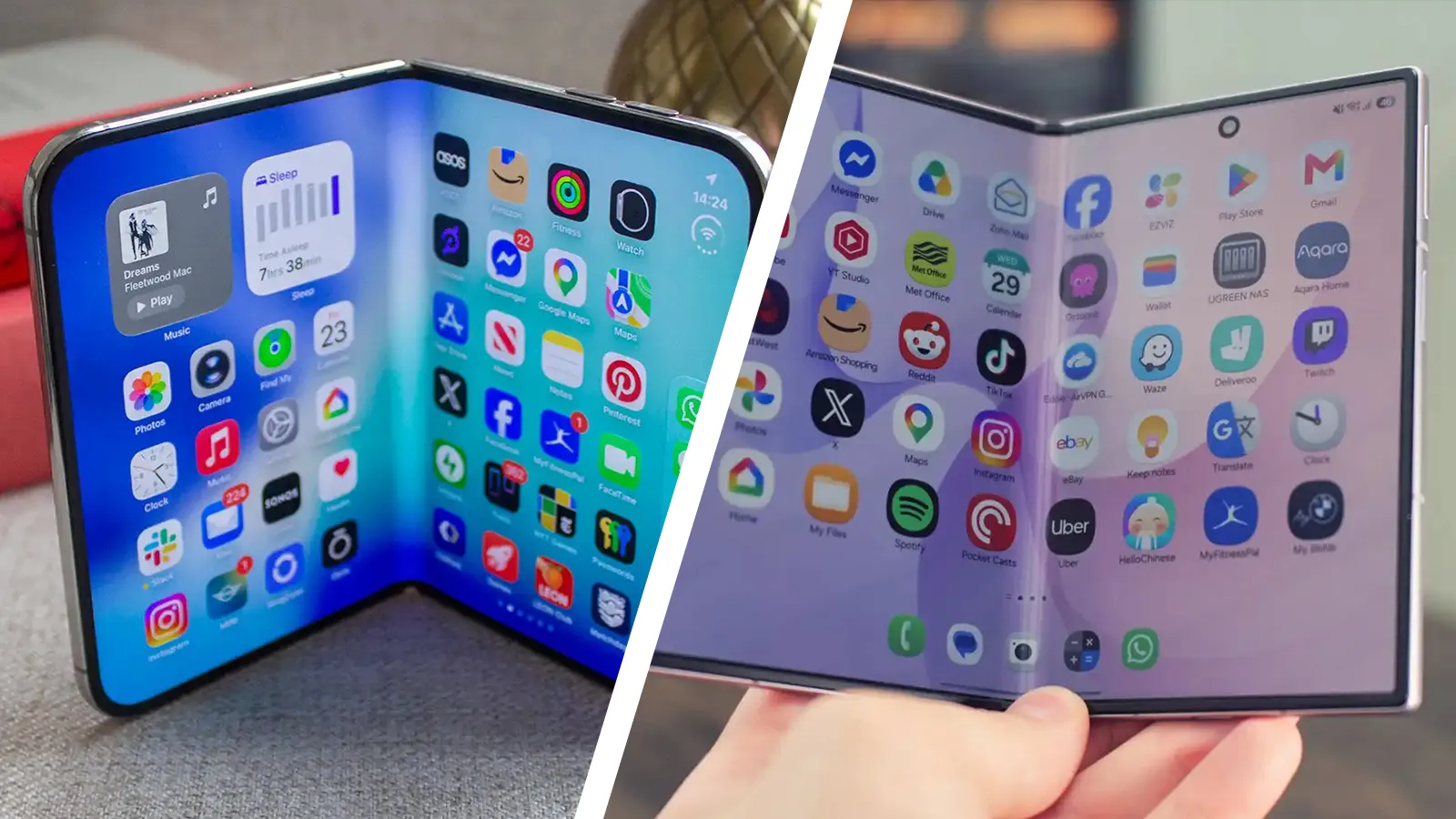
Why bigger foldables matter
The market for wide foldable smartphones has accelerated since the launch of the iPhone Duo and the Samsung Galaxy Z Fold 8. Both devices proved that consumers are willing to pay a premium for a tablet‑sized screen that fits in a pocket. As manufacturers refine hinge mechanisms and software optimisation, the next logical step is to increase the unfolded footprint even further. A larger display promises more immersive media consumption, better multitasking, and a stronger value proposition against traditional laptops.
Potential iPhone Duo 2 Plus details
According to a recent X post by tipster @TheGalox_, Apple is reportedly developing an iPhone Duo 2 Plus. While the final branding may drop the “Plus” suffix, the rumor indicates a noticeably larger external screen and an expanded internal panel. The current iPhone Duo already features a 7.8‑inch main display, but the successor could push beyond eight inches when unfolded. Apple is expected to continue its partnership with Samsung’s display division for the OLED panel, ensuring colour accuracy and brightness that match the original model.
Samsung Galaxy Z Fold 9 Plus expectations
Samsung is not standing still. Leaks suggest a Galaxy Z Fold 9 Plus will arrive in 2027 with a wider outer screen and a deeper hinge that reduces the crease visibility. The Z Fold 9 Plus is likely to inherit the 8.5‑inch inner display of the Z Fold 8, but with a slimmer profile and lighter chassis. Samsung’s experience in mass‑producing foldable displays gives it an edge in cost efficiency, which could translate into a more competitive price point compared with the iPhone Duo 2 Plus.
Comparing current models
When the iPhone Duo first hit stores, it commanded a price near $2000 and attracted early adopters despite its thickness and limited app optimisation. The Galaxy Z Fold 8, priced around £1699, offered a thinner design, better battery life, and a more mature software ecosystem for foldables. These differences gave Samsung a slight advantage in Q3 sales. However, the iPhone Duo’s premium build and brand cachet kept it in the conversation, setting the stage for a head‑to‑head clash once the next‑gen models launch.
Supply chain synergy and competition
Samsung’s OLED manufacturing arm already supplies the iPhone Duo’s display, creating a symbiotic relationship that could accelerate development of the iPhone Duo 2 Plus. If Apple seeks a larger panel, it will likely turn to Samsung again, prompting Samsung to pre‑empt with its own Galaxy Z Fold 9 Plus. This dynamic suggests a rapid iteration cycle where each company pushes the other to innovate faster, benefiting consumers with bigger, lighter, and more durable foldables.
What this means for the 2027 market
Should both the iPhone Duo 2 Plus and the Galaxy Z Fold 9 Plus materialise as rumored, the current generation of foldables may indeed look modest by comparison. A larger unfolded area, refined hinge engineering, and improved software support could make the 2026 models feel like entry‑level devices. The competition is set to intensify, driving price adjustments, faster adoption, and perhaps even new use‑cases such as mobile productivity suites that rival laptops. Enthusiasts should watch for official announcements later in 2026 as the 2027 rollout approaches.